Hindusthan Educational Institutions, founded in 1992, offer quality education across diverse fields like engineering, science, arts, and management.
Contact Info
- contact : hit.office@hindusthan.net
-
Mon - Sat : 9:00 AM - 06:00 PM
Explore the Deparment of
Computer Science and Engineering
(Accredited by NBA)
(Accredited by NBA)
About Our Department
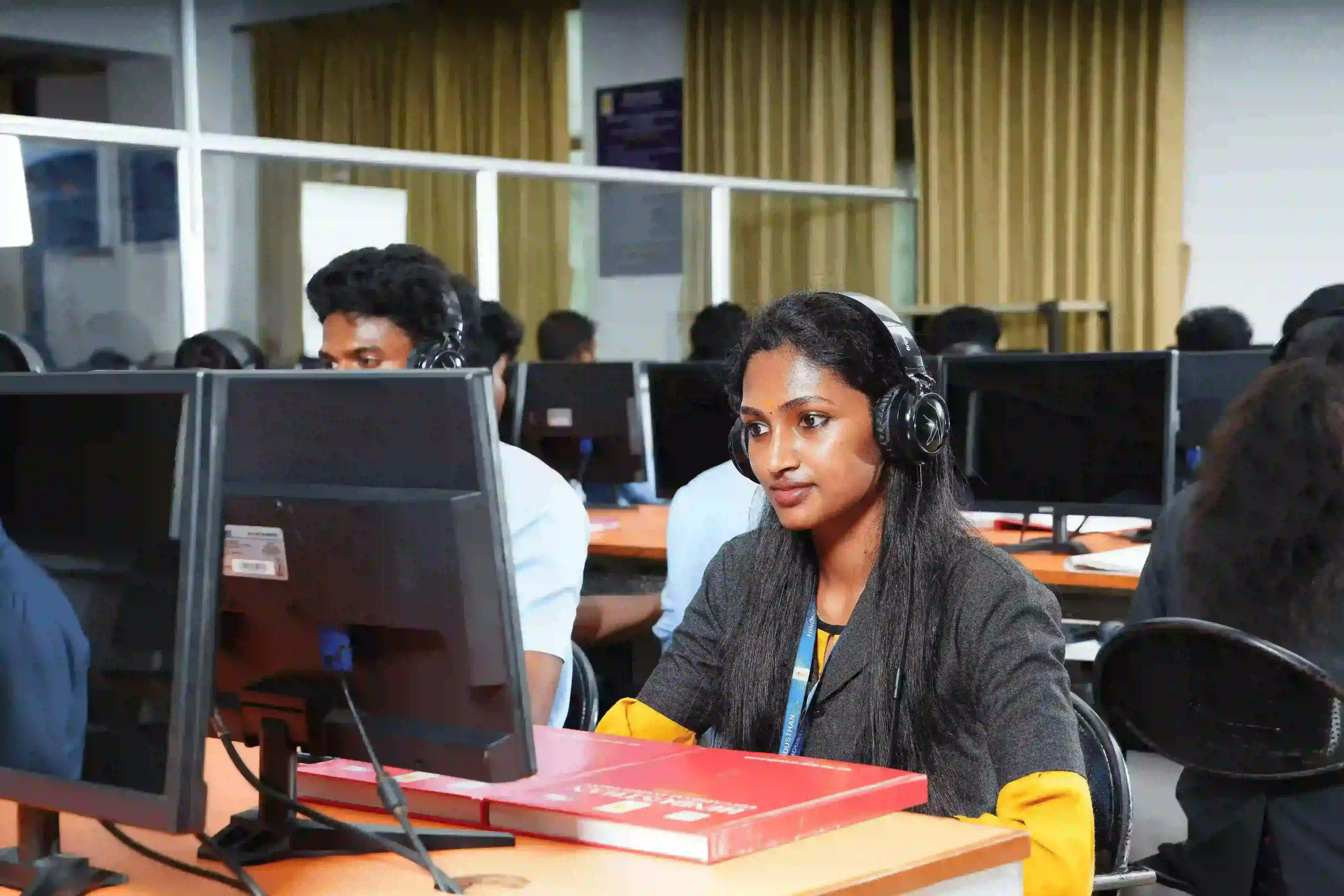
The Department of Computer Science and Engineering, established in 2007, offers B.E., M.E., and Ph.D. programmes, with the B.E. CSE NBA accredited and the department recognized by Anna University as a permanent Research Centre. Strong industry collaborations with IBM, Google for Education, Zoho, Infosys Springboard, Cognizant GenC, and Wipro PRP, along with active engagement in MOOC platforms such as Coursera, edX, and NPTEL, support skill development and lifelong learning
Programs Offered
B.E. Computer Science & Engineering
-
Duration: 4 Years
-
Intake: 180 Students
-
Eligibility: 10+2 with PCM
M.E. Computer Science & Engineering
-
Duration: 2 Years
-
Intake: 24 Students
-
Eligibility: B.Tech CSE/IT, GATE, TANCET
Ph.D Computer Science & Engineering
-
Duration: 4 Years
-
Eligibility: M.Tech/M.E, NET / GATE
Vision and Mission
To nurture competent Computer Science Engineers who possess the ability to contribute to global projects and collaborations with an emphasis on fostering innovation, research, and development through the pursuit of academic excellence and high standards of teaching and research focusing on ethical conduct and social responsibility, integrating sustainability principles and instill a passion lifelong learning.
MD1:To deliver Academic Excellence through the implementation of outcome-based education, extensive research, and the adoption of innovative practices.
MD2:To provide best practical experience through Interdisciplinary Approach, Industrial Collaborations and State-of-the-Art Facilities.
MD3:To produce socially responsible engineering graduates by providing them with value-based education and fostering their continuous professional development.
PSOs, PEOs & POs
PEO 1: Graduates will demonstrate proficiency in core computer science concepts, theories, and principles to analyze, design, and develop innovative solutions to complex engineering problems to succeed in diverse computing industry sectors adapting to emerging technological trends.
PEO 2:Graduates will uphold high ethical standards and demonstrate social responsibility in their engineering practice, function effectively in multidisciplinary teams to collaborate and achieve common goals and engage in continuous learning and professional development.
PEO 3: Graduates will exhibit an entrepreneurial mindset, actively pursuing opportunities to develop innovative computer science solutions, services, and products as well as effectively lead and manage projects in the field.
PSO 1:Ability to apply programming skills in various languages and implement algorithms and data structures to solve computational challenges.
PSO 2: Ability to design, develop, test, and integrate software and hardware components to construct effective and efficient computer-based systems.
At the time of graduation, the students of Computer Science and Engineering should have the
PO 1: ENGINEERING KNOWLEDGE Apply knowledge of mathematics, natural science, computing, engineering fundamentals and an engineering specialization applicable to computer science and engineering discipline to develop to the solution of complex engineering problems.
PO 2: PROBLEM ANALYSIS Identify, formulate, review research literature and analyze complex engineering problems reaching substantiated conclusions with consideration for sustainable development.
PO 3: DESIGN /DEVELOPMENT OF SOLUTIONS Design creative solutions for complex engineering problems and design/develop systems/components/processes to meet identified needs with consideration for the public health and safety, whole-life cost, net zero carbon, culture, society and environment as required.
PO 4: CONDUCT INVESTIGATION OF COMPLEX PROBLEMS Conduct investigations of complex engineering problems using research-based knowledge including design of experiments, analysis & interpretation of data to provide valid conclusions.
PO 5: ENGINEERING TOOL USAGE Create, select and apply appropriate techniques, resources and modern engineering & IT tools, including prediction & modeling to recognize their limitations to solve complex engineering problems.
PO 6: THE ENGINEER AND THE WORLD Analyze and evaluate societal and environmental aspects while solving complex engineering problems for sustainability with reference to economy, health, safety, legal framework, culture and ethics.
PO 7: ETHICS Apply ethical principles and commit to professional ethics, human values, diversity and inclusion; adhere to national & international laws.
PO 8: INDIVIDUAL AND COLLABORATIVE TEAM WORK Function effectively as an individual, and as a member or leader in diverse/multi-disciplinary teams.
PO 9: COMMUNICATION Communicate effectively and inclusively within the engineering community and society at large, such as being able to comprehend and write effective reports and design documentation, make effective presentations considering cultural, language, and learning differences.
PO 10: PROJECT MANAGEMENT AND FINANCE Apply knowledge and understanding of engineering management principles and economic decision-making and apply these to one’s own work, as a member and leader in a team, and to manage projects and in multidisciplinary environments.
PO 11:LIFE LONG LEARNING: Recognize the need for, and have the preparation and ability for i) Independent and life-long learning ii) adaptability to new and emerging technologies and iii)critical thinking in the broadest context of technological change.
Training and Placement Recruiters














Meet Our Esteemed Faculty
Loading...
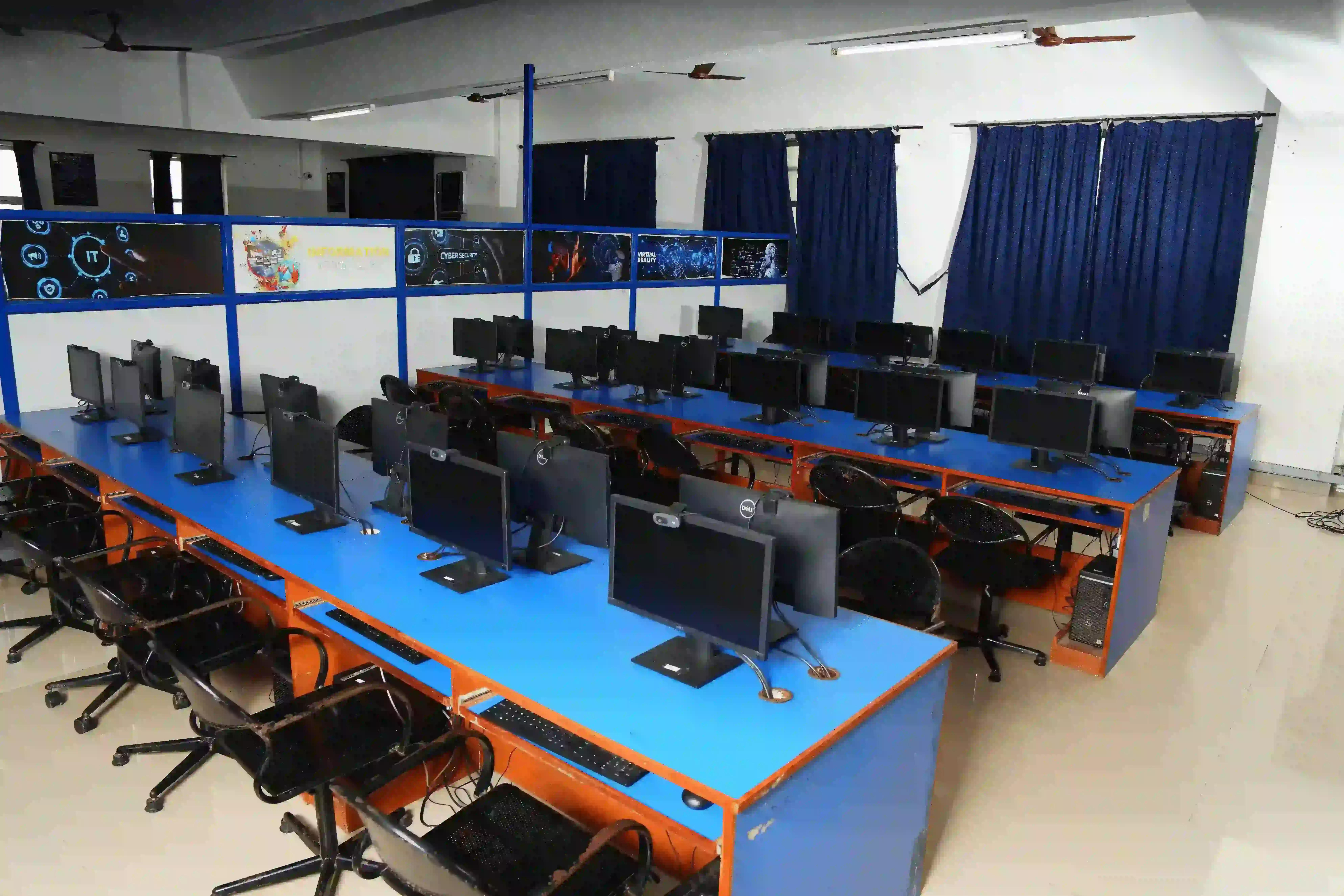
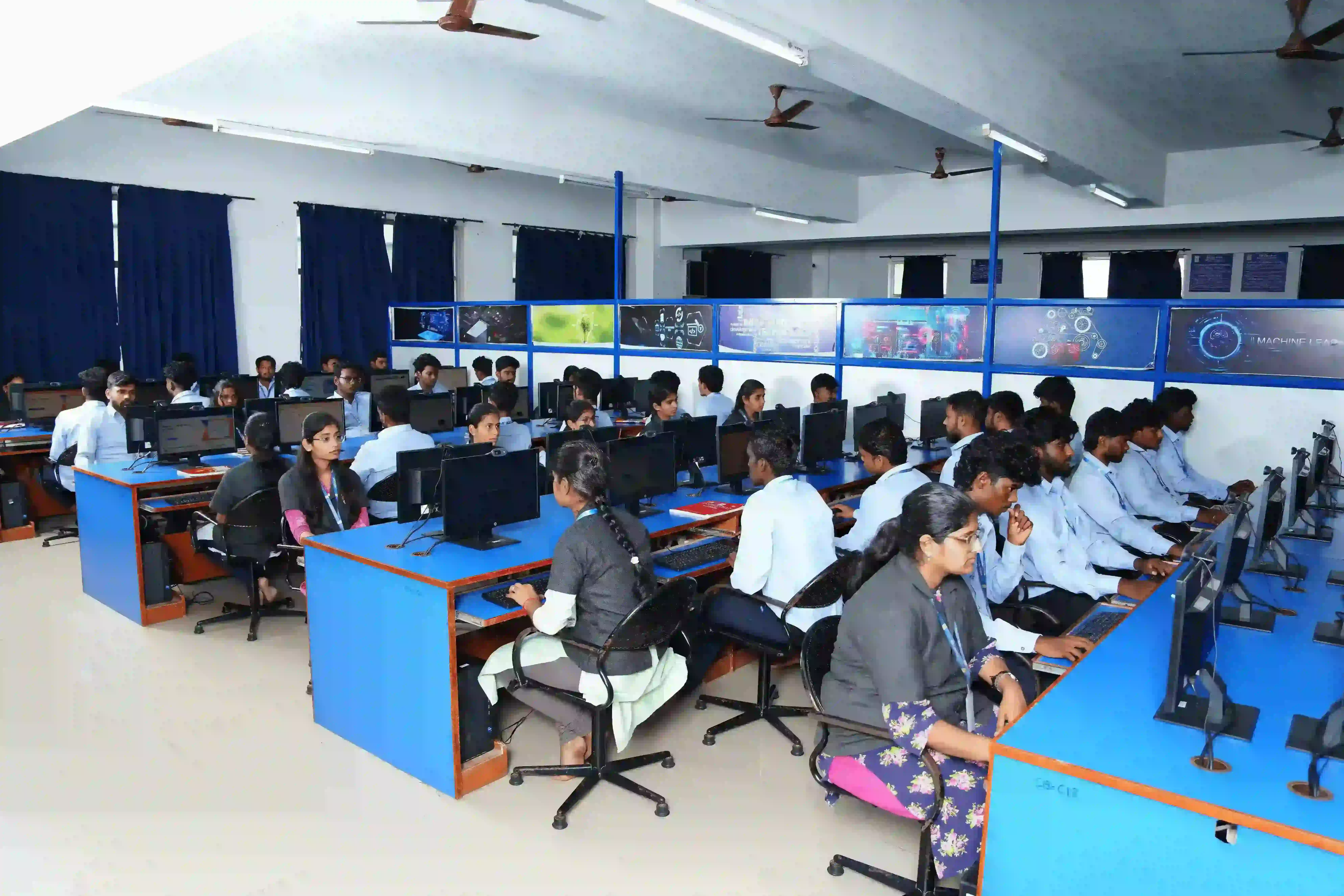
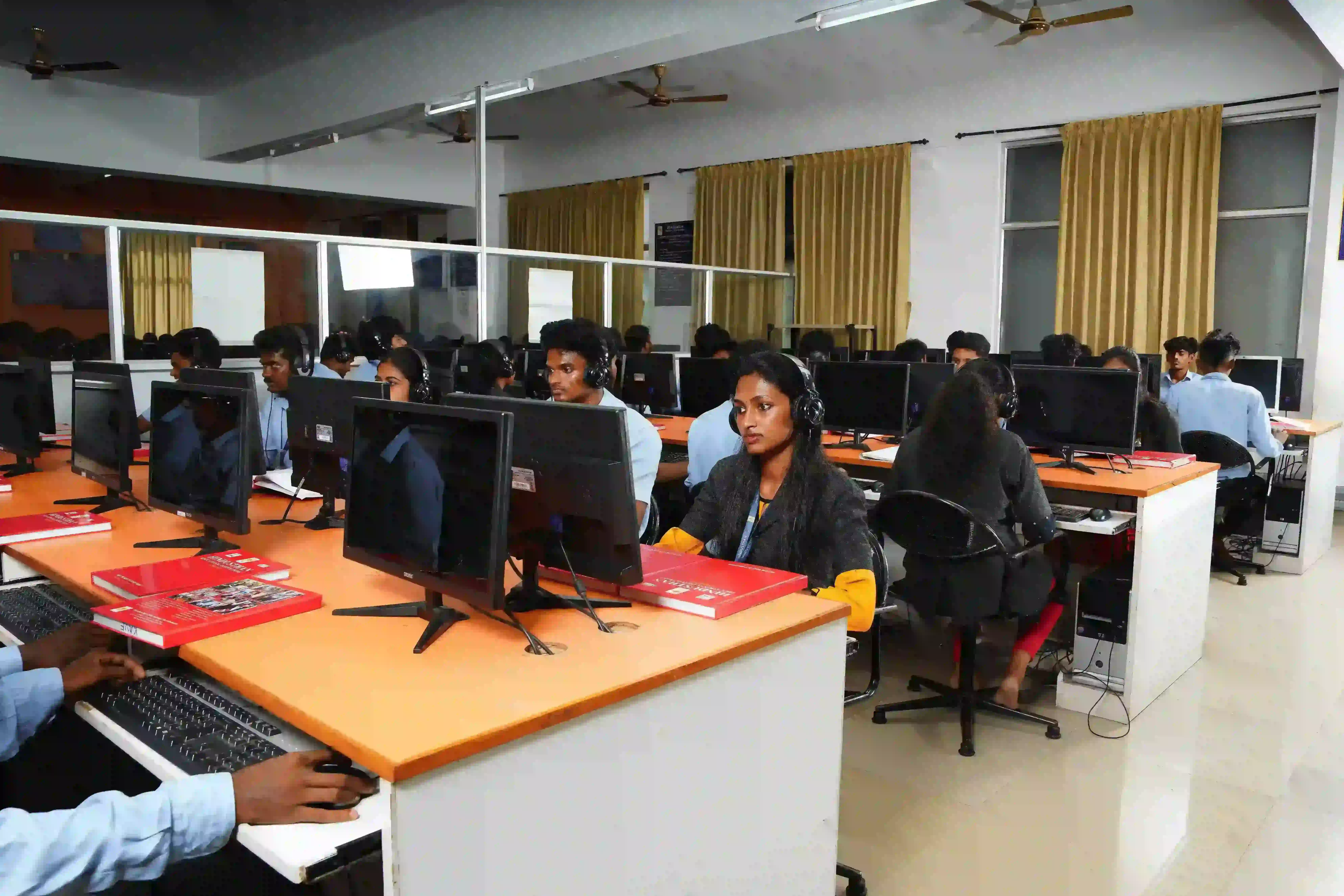
Laboratories
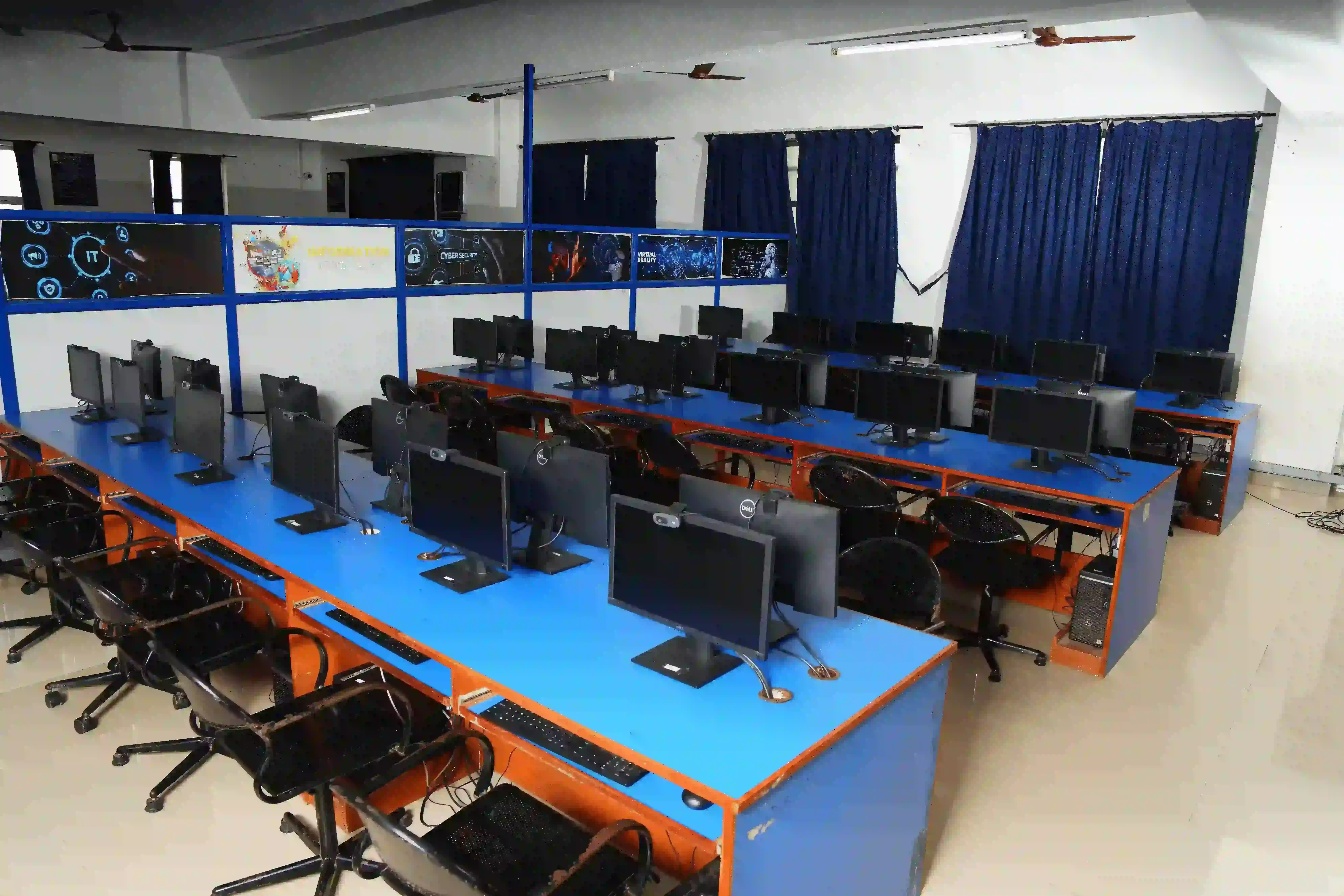
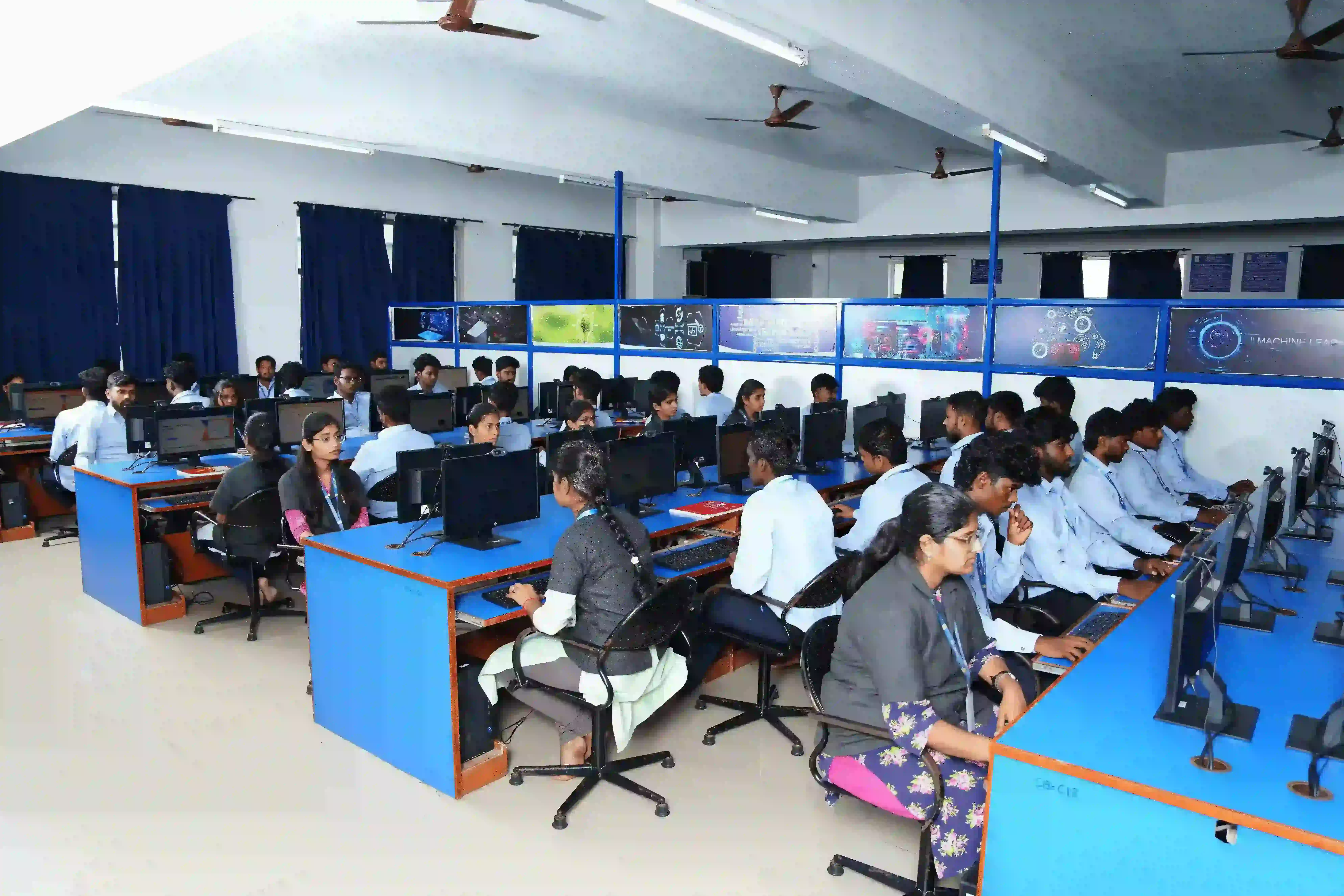
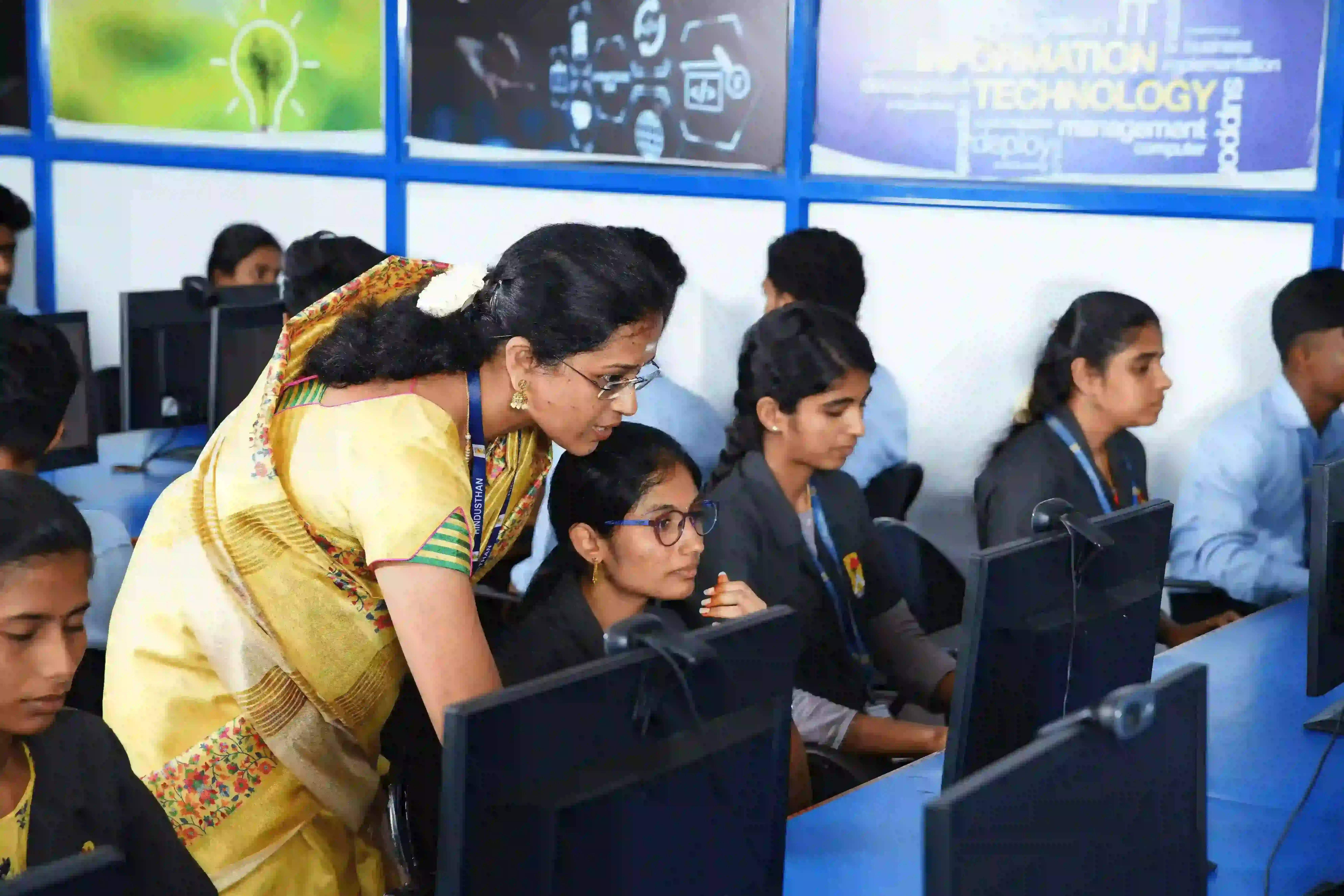
75 Students
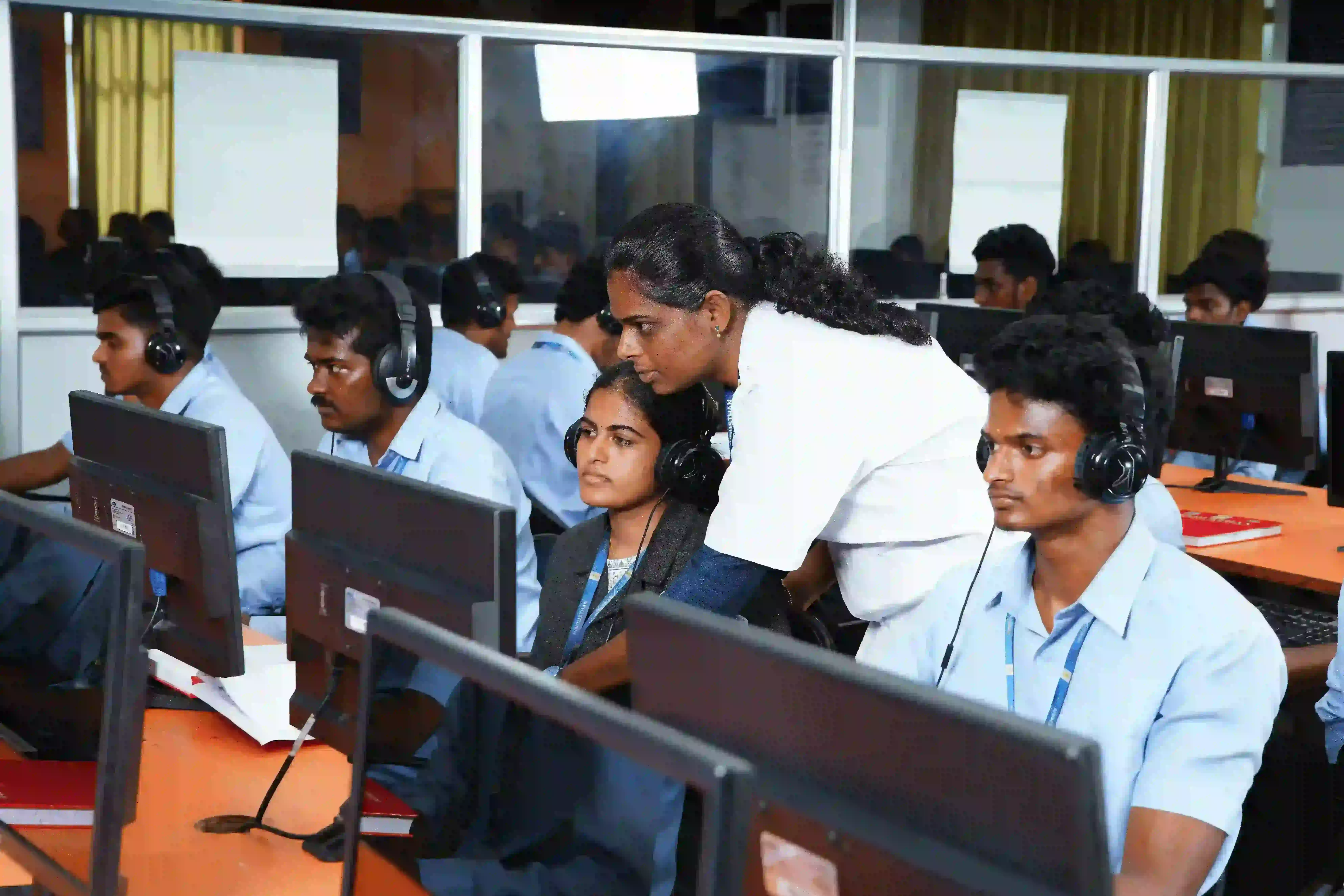
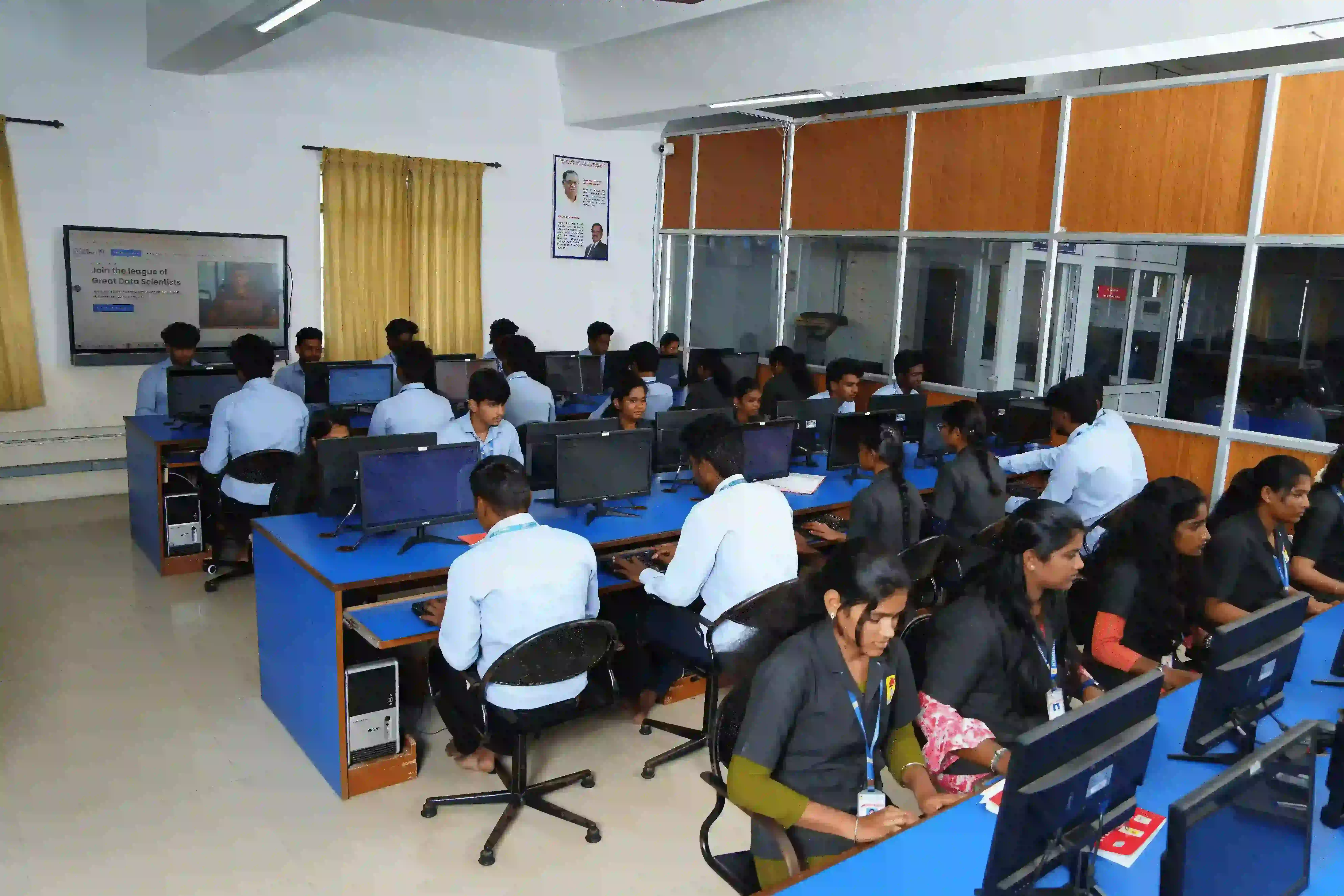
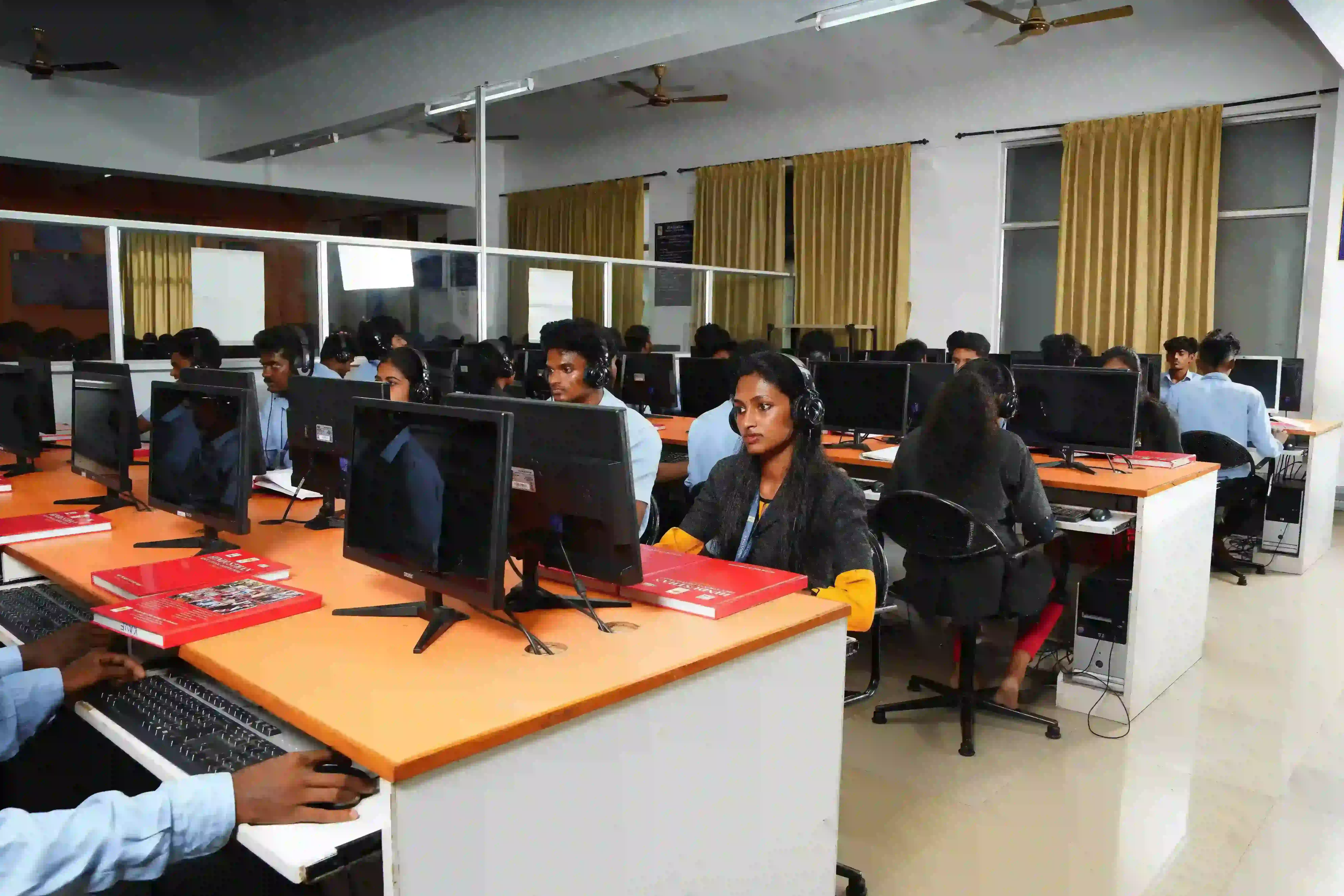
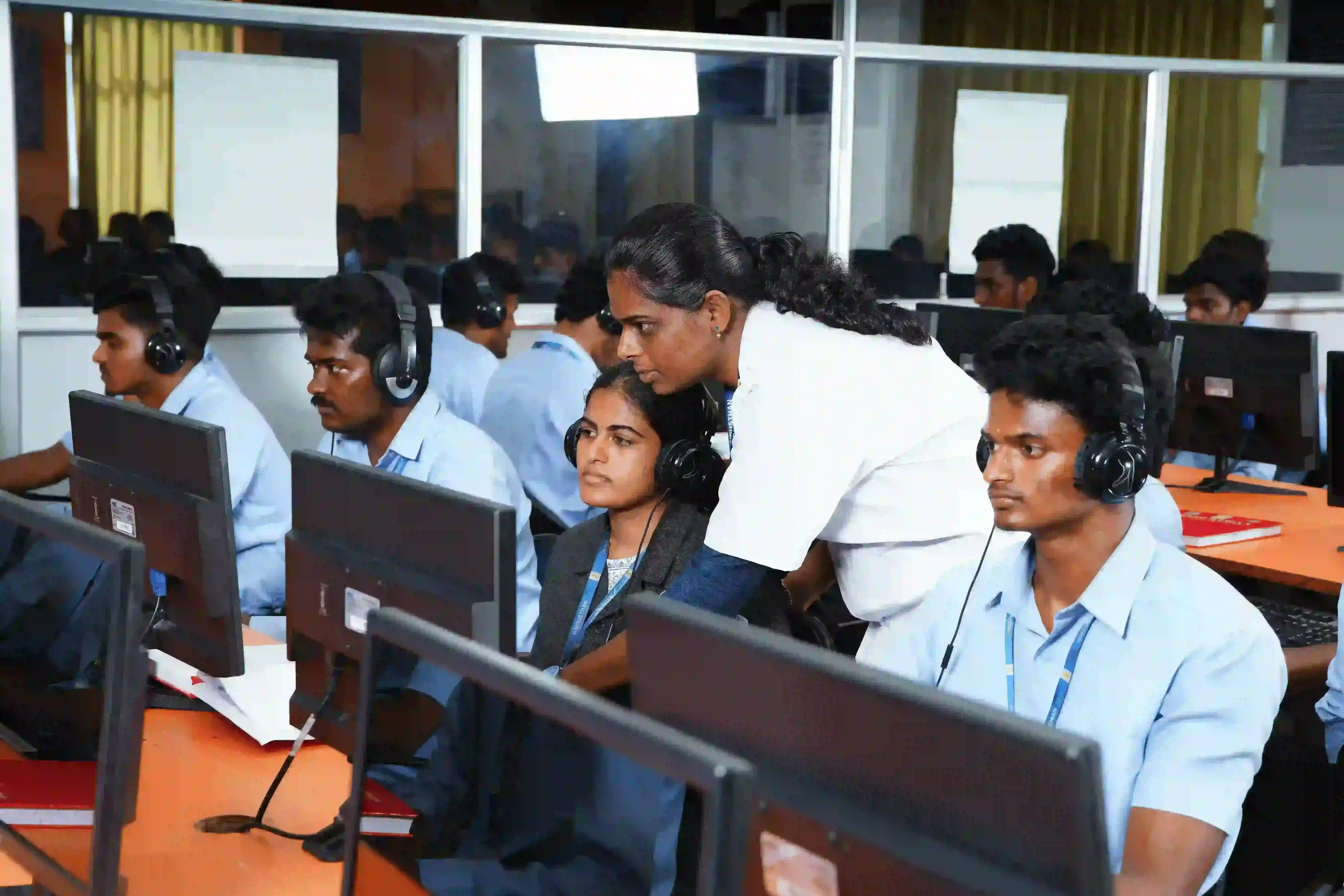
Web Programming Lab
State-of-the-art facility designed for hands-on learning with modern equipment.
Key Features:
- Modern equipment
- Expert guidance
- Hands-on learning
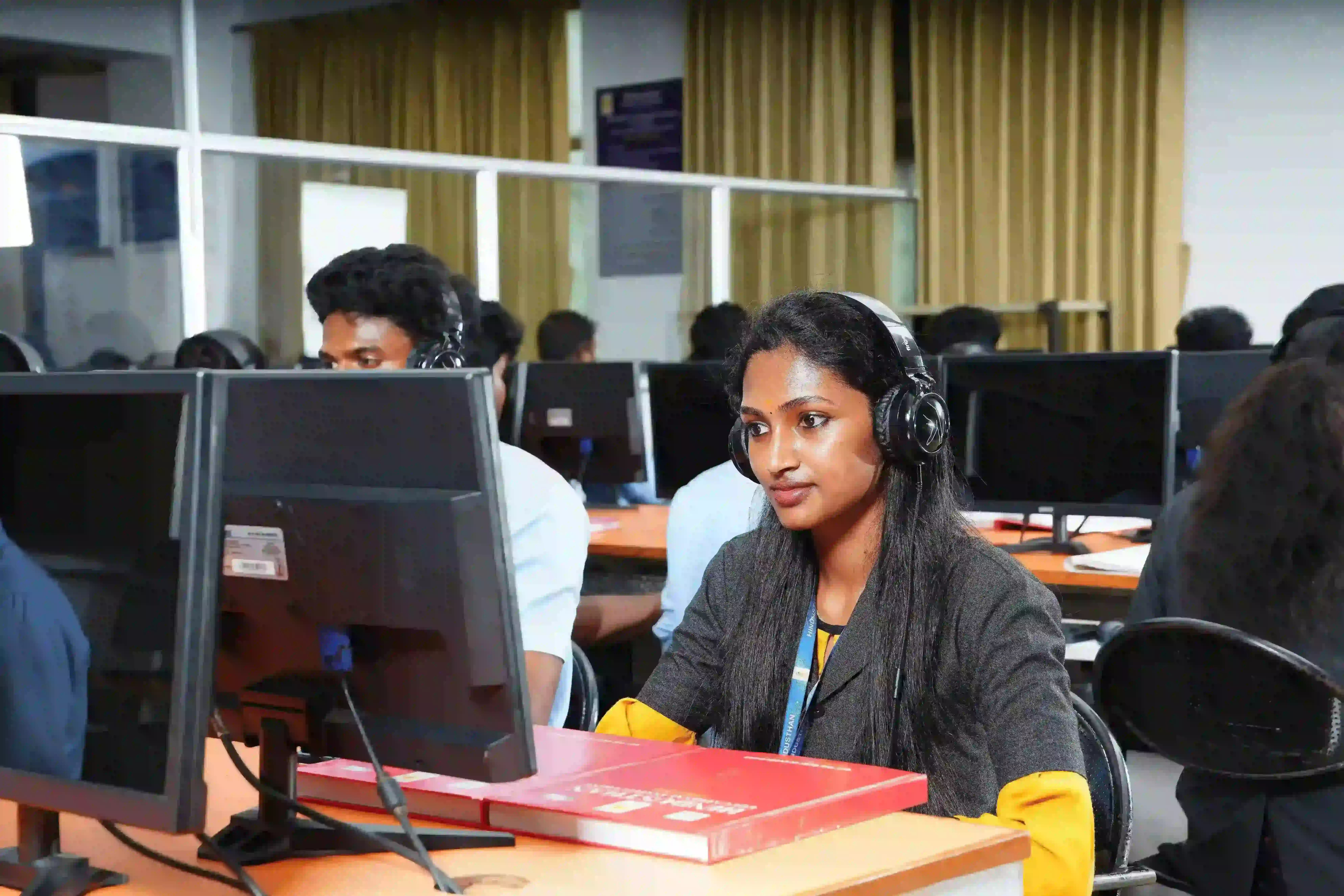
75 Students
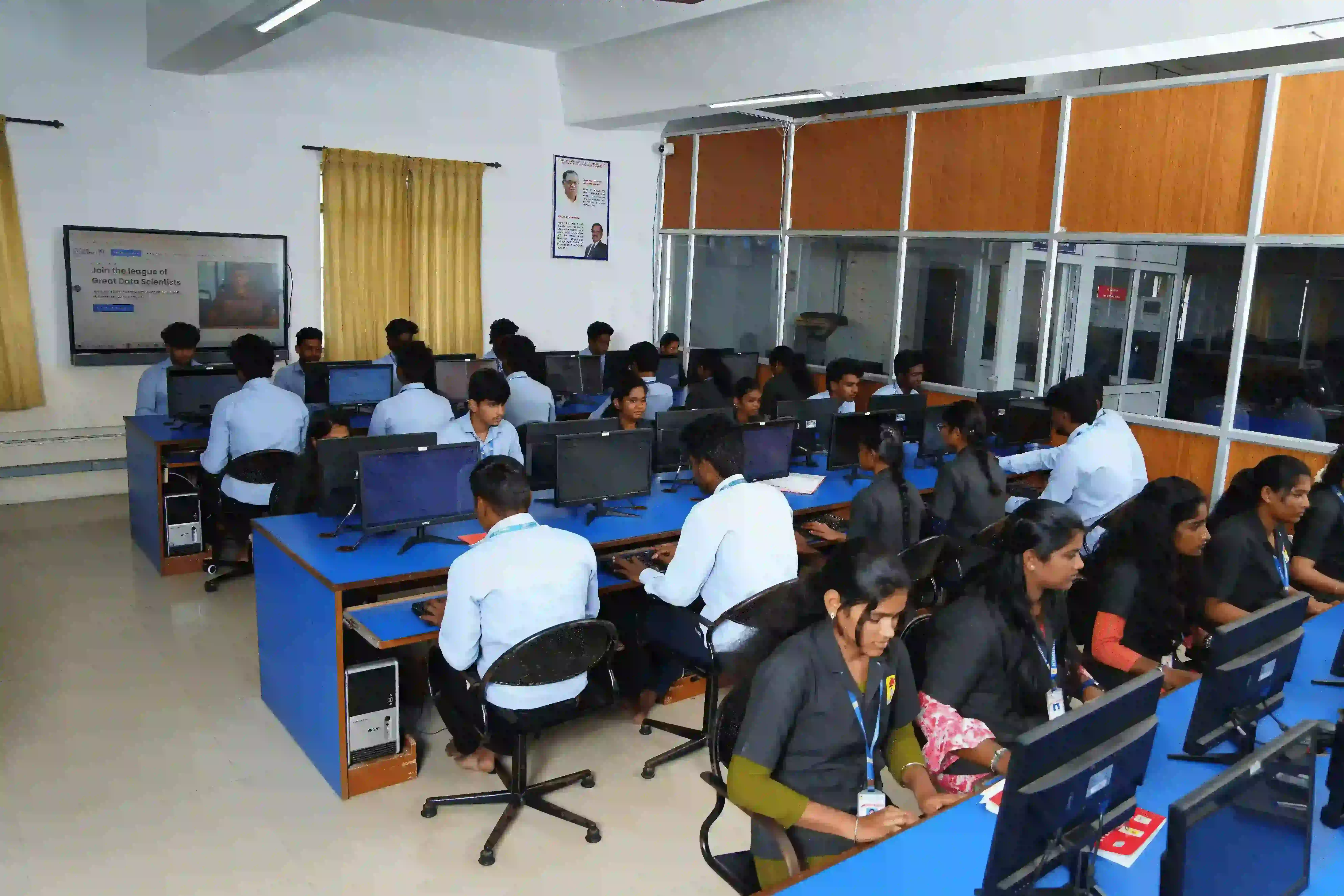
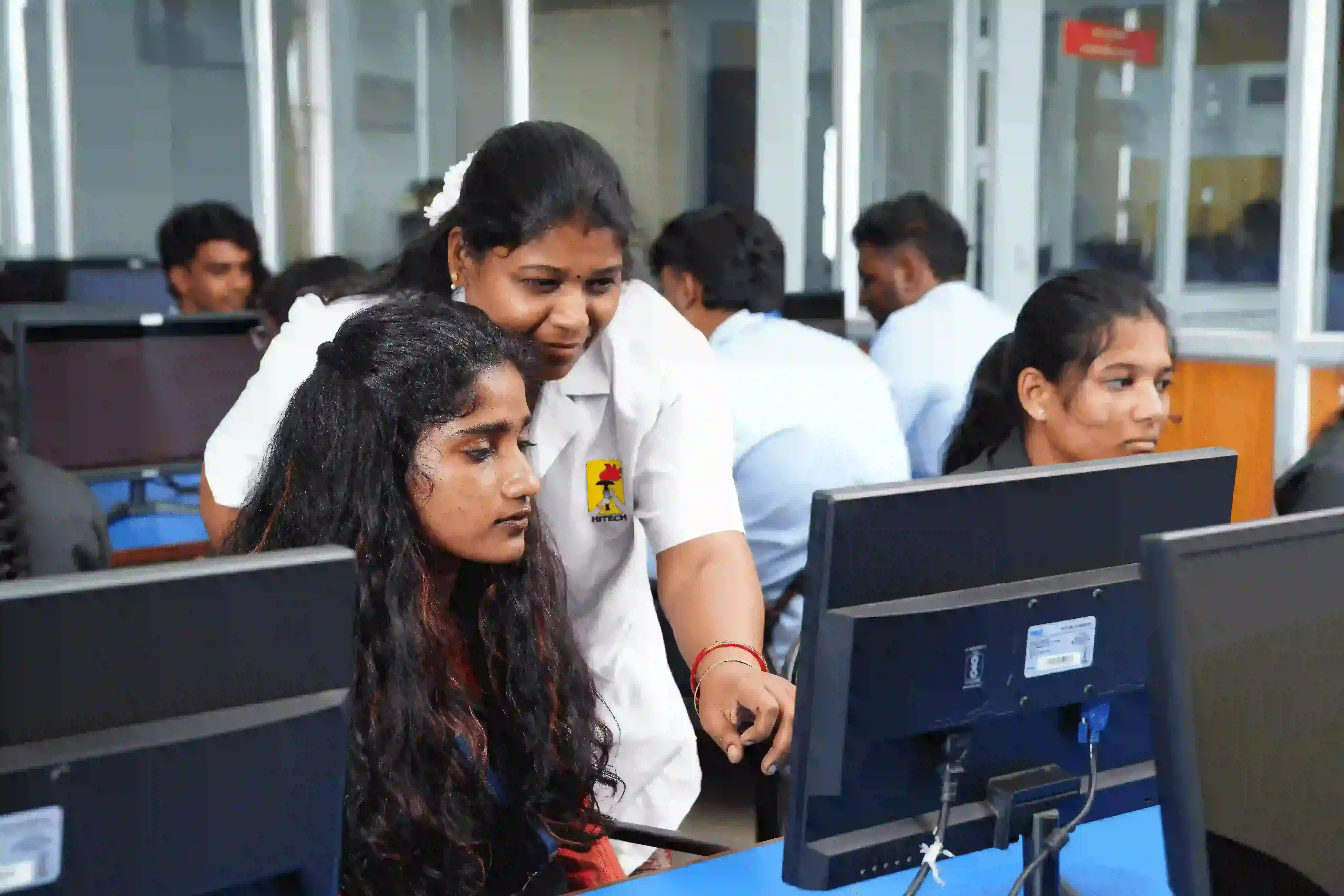
Database Management Lab (RDBMS Lab)
Database lab with enterprise DB servers and tools for SQL and data management.
Key Features:
- Oracle/MySQL
- SQL Server
- ER Modeling
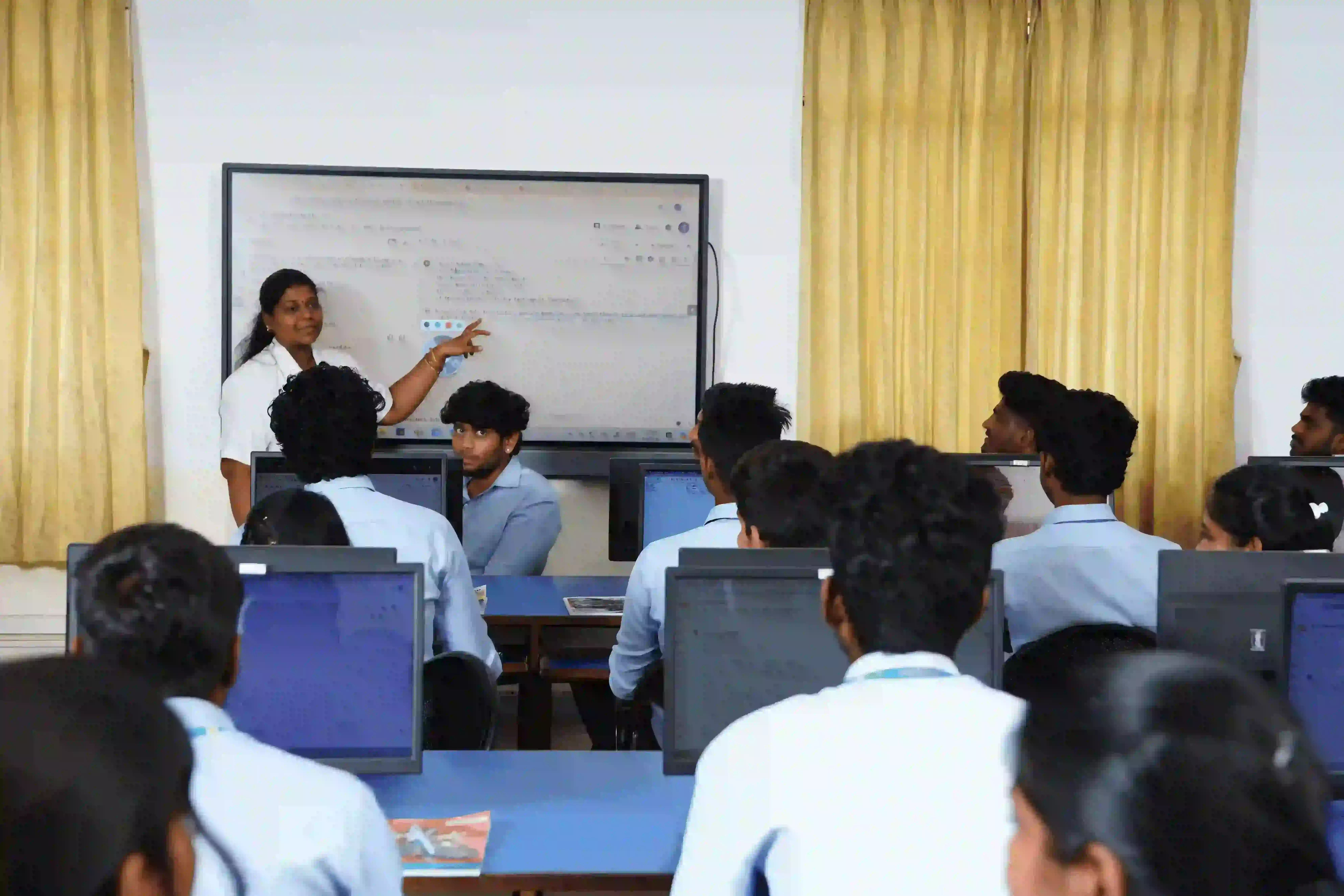
75 Students
Network Lab
Hands-on networking with routers, switches, and simulation tools.
Key Features:
- Cisco gear
- Simulators
- Firewall config
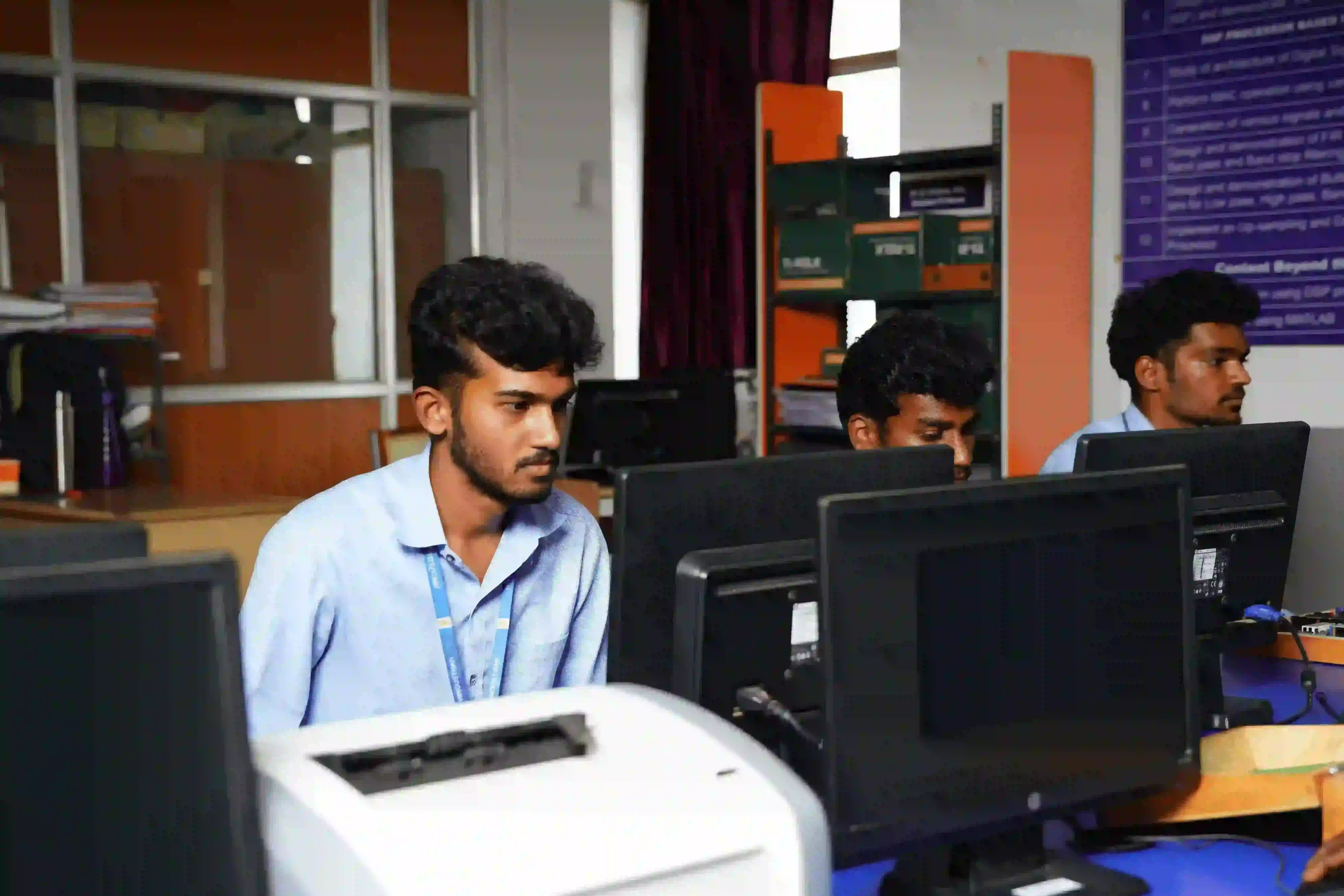
75 Students
Operating System Lab
Multiple OS environments for system programming and administration.
Key Features:
- VMs
- Linux distros
- System programming
Collaboration & MoU

-
Academic partner of Google for education with Google tools and resources
help teachers and students create, collaborate, and build digital skills
for the future.
Read More

Zoho
-
Academic partner for training and internships in Application Developmen
Read More

Infosys
-
Training in technology and curated content to address reskilling of
unemployed in tech.
Read More

IBM
-
Curriculum integration and Delivery in the field of Artificial
Intelligence and Data Sciences
Read More

Oracle
-
Oracle Academy membership provides resources they need to help educators
develop core computing knowledge and skills aligned to industry
standards and using current technologies in Database, Cloud and Server
management
Read More

Dell
-
Dell EMC center of excellence in Data Science and Big Data Analytics.
Read More

Salesforce
-
Training partner for CRM Integrated platform using AI, app development.
Read More

RedHat
-
Redhat Academy alliance offers curriculum in Linux, cloud, and
development technologies and international certification.
Read More

UiPath
-
Center of Excellence in Robotic Process Automation
Read More

Nasscom
-
It seeks to propel India to become a global hub of talent in emerging
technologies.
Read More

CSS Corp
-
Employability skills training and technology and soft skills
Read More
Gallery